


Close

Microsoft Dynamics 365 AP Automation

LayerNext AI agents read, validate, match, and post invoices into Microsoft Dynamics 365 via API or computer-use. No ERP replacement needed.

Built for enterprise AP at scale

LayerNext runs the full accounts payable workflow around Microsoft Dynamics 365, from invoice intake through posting and reconciliation.

Dynamics 365 Invoice Capture
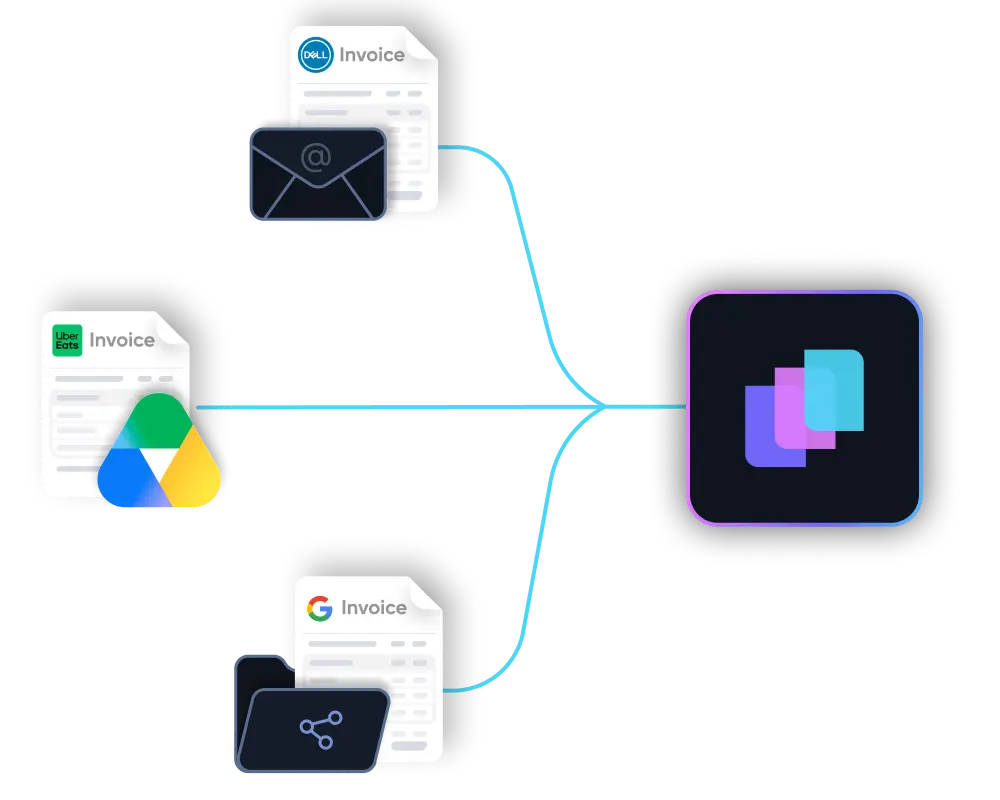
Import invoices from email, shared folders, supplier portals, and local or cloud drives automatically.
Automated PO Matching
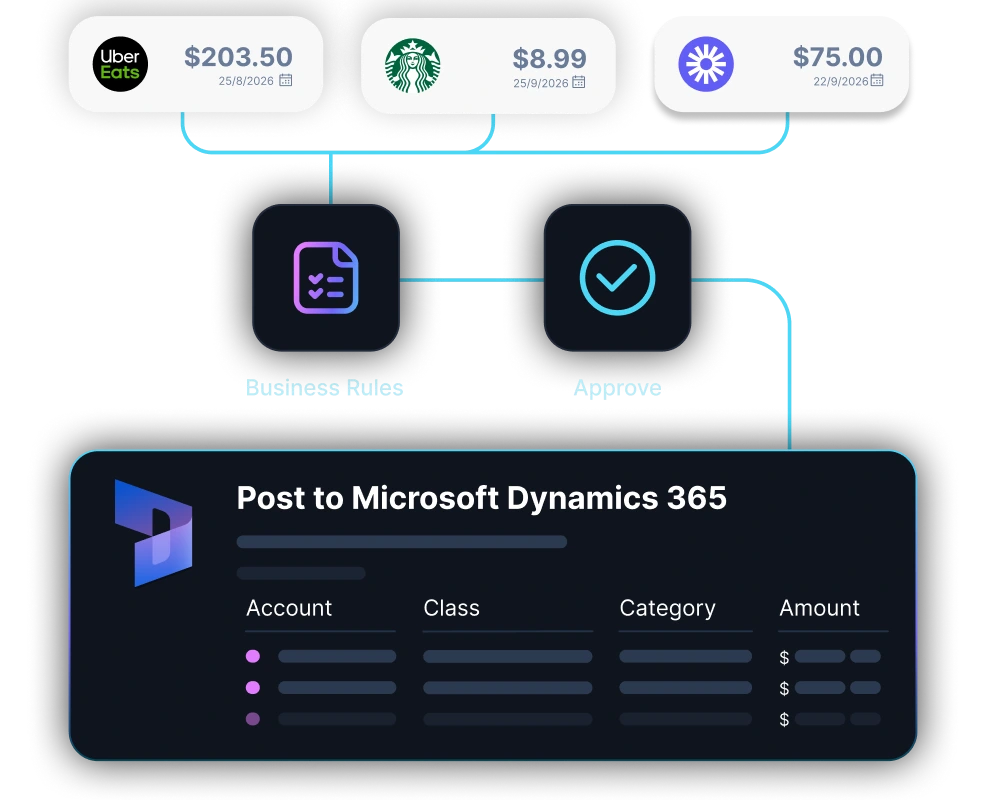
Match invoices to purchase orders, receipts, prices, quantities, and per-vendor rules before posting.
Statement Reconciliation
AI matches transactions to supplier statements, flagging discrepancies early.
Dynamics 365 Posting
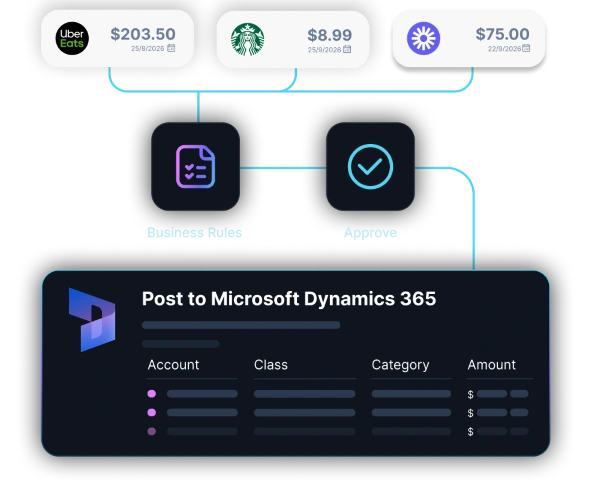
Post validated invoice data directly into Microsoft Dynamics 365 via API or computer-use.
Exception Handling
Route only mismatches, missing POs, and approvals to controllers.
Live Bank Feed
Connect bank accounts through Plaid so transactions pull in and reconcile automatically.
Works Across Every Dynamics
One agent covers Business Central, Finance & Operations, and legacy GP, NAV, SL, and AX.
Learns Your Chart of Accounts
Persistent memory of supplier formats, GL coding, and corrections sharpens accuracy over time.
Full Audit Trail
Every document, action, and human decision is logged for compliance and traceability.

What took an AP clerk four steps, now takes none

From inbox to Microsoft Dynamics 365, nothing waits on a person. LayerNext handles capture, validation, PO matching, and posting end to end.
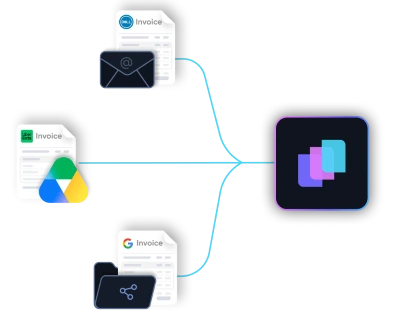
Documents arrive from anywhere

Email inbox, shared folders, supplier portals, or cloud storage. Invoices are picked up automatically the moment they land.

Unstructured documents understood

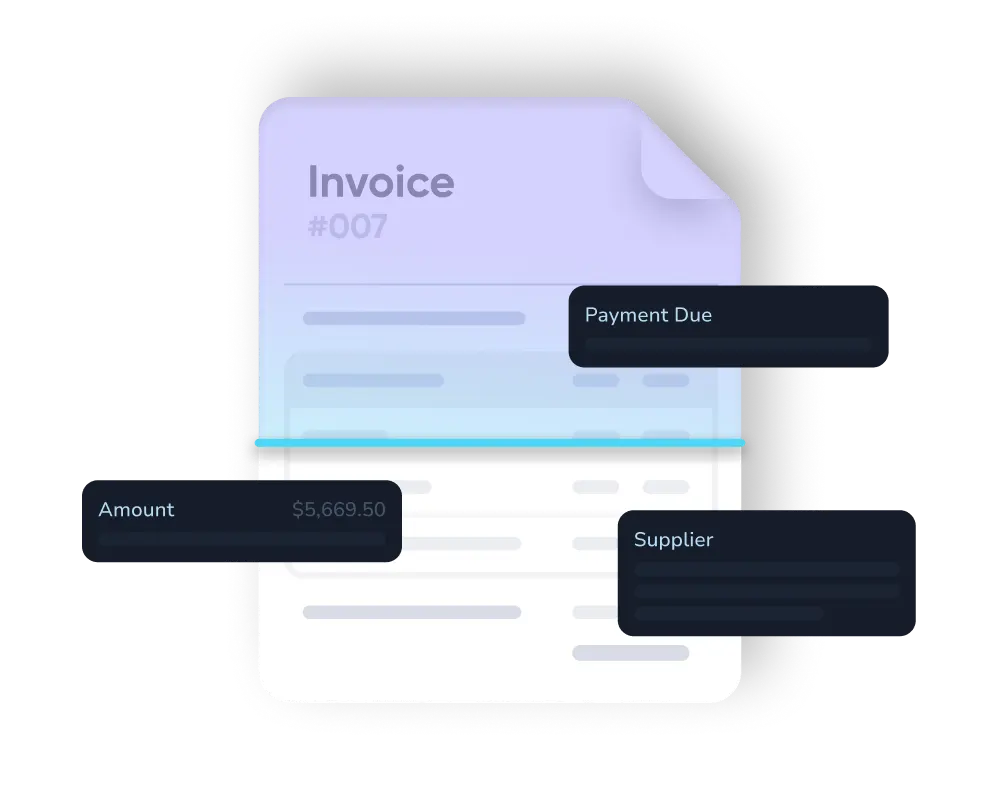
LayerNext reads PDFs, scanned images, and inconsistent supplier formats that OCR and EDI tools miss, extracting line items, taxes, and totals with no templates required.

Checked against your rules and POs

Pricing, tax treatment, and tolerance thresholds are checked per vendor. Invoices are matched to purchase orders automatically.

Entered directly into Microsoft Dynamics 365

Validated entries post straight into Dynamics 365: through its API for Business Central and Finance & Operations, and through the ERP's own screens for legacy Dynamics such as GP and NAV.

LayerNext pays for itself by month 3

LayerNext replaces manual AP keying on Microsoft Dynamics 365 with autonomous agents, so the platform pays for itself within the first quarter.

5x ROI

Year 1 return on investment

<3 months

Typical payback period on the full contract value

165+

Hours saved per month per finance team

Weeks

To deploy, not months

From Manual Entry to Autonomous

Here is what changes when LayerNext agents take over accounts payable on Microsoft Dynamics 365, compared with keying every invoice by hand.

Manual AP

Agent Workflow

Invoice Entry

Microsoft Dynamics 365

AP clerks key each invoice into Dynamics 365 by hand, screen by screen.

Invoice Entry

LayerNext

Agents capture and post validated invoices automatically, with no manual keying.

Data Capture

Microsoft Dynamics 365

Staff retype vendor, line item, and tax data from PDFs and scans.

Data Capture

LayerNext

AI reads unstructured invoices directly, extracting every field without templates.

PO Matching

Microsoft Dynamics 365

Clerks cross-check POs and receipts by hand, missing discrepancies under load.

PO Matching

LayerNext

Agents match invoices to POs, prices, and quantities, flagging every mismatch.

Exception Flow

Microsoft Dynamics 365

Problems surface late, buried in email threads and sticky notes.

Exception Flow

LayerNext

Only true exceptions route to controllers as named tasks in the dashboard.

Business Rules

Microsoft Dynamics 365

Problem invoices sit in inboxes waiting for someone to notice.

Business Rules

LayerNext

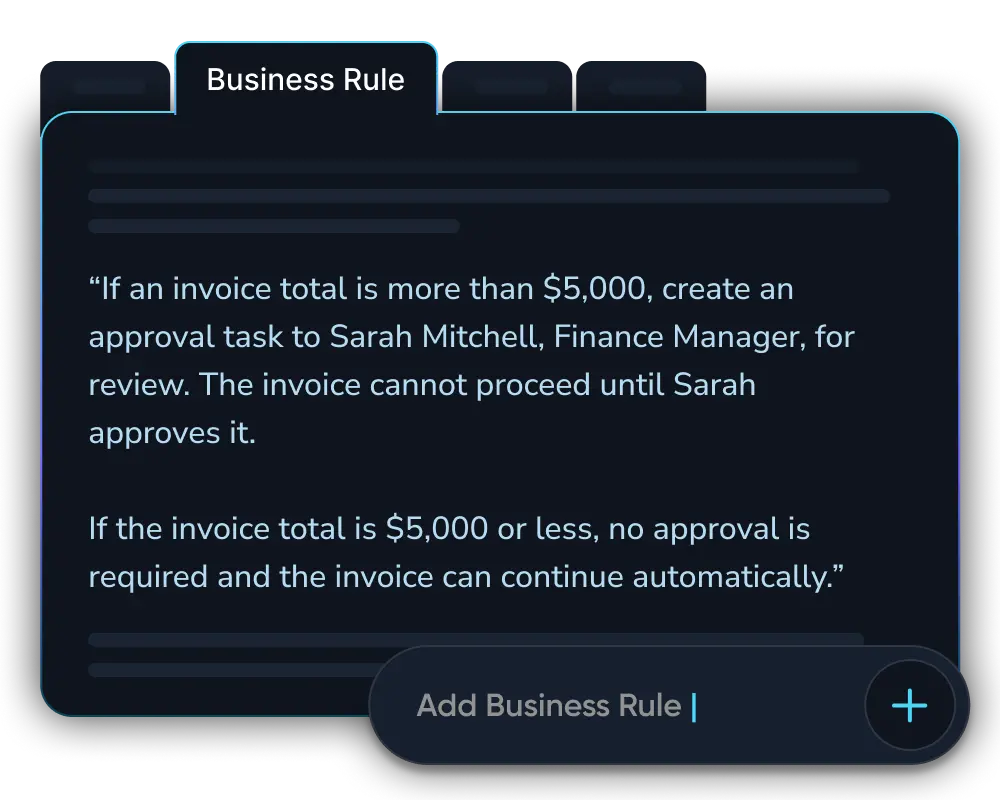
Finance defines rules in plain English; agents apply them the same way every time.

Team Focus

Microsoft Dynamics 365

AP staff spend the month on data entry and month-end cleanup.

Team Focus

LayerNext

AP staff shift to review, approvals, and exceptions while agents handle entry.

Supplier Formats

Microsoft Dynamics 365

Unstructured, scanned, and non-standard invoices land on a clerk's desk.

Supplier Formats

LayerNext

Agents read every format, including messy long-tail invoices, without templates.

Bank Reconciliation

Microsoft Dynamics 365

Statements reconciled by hand at month-end, always days behind.

Bank Reconciliation

LayerNext

Transactions reconcile continuously against statements, so close becomes a quick review.

Audit Trail

Microsoft Dynamics 365

Traceability gaps; reconstructing who did what takes hours of digging.

Audit Trail

LayerNext

Every document, action, and approval logged automatically with full traceability.

Scaling

Microsoft Dynamics 365

More invoices means hiring, training, and retaining more AP clerks.

Scaling

LayerNext

Volume scales with the agent, with no added headcount as invoice counts grow.

Cost Structure

Microsoft Dynamics 365

Teams of clerks at $50K to $60K each, plus turnover and overtime.

Cost Structure

LayerNext

A predictable subscription replaces headcount-driven AP cost.

Enterprise-grade security
built into every workflow

See how LayerNext protects your data

Proven across high-volume industries

LayerNext runs high-volume AP for the document-heavy, multi-vendor operators that rely on Microsoft Dynamics 365 across the US and Canada.

Wholesale Distribution
Manufacturing
Transportation and Logistics
Construction and Trades
Real Estate and Property
Healthcare and Senior Care
Agriculture and Agribusiness
Automotive
Energy and Utilities
Hospitality and Food Service
Public Sector

Common questions

What is Dynamics 365 AP automation?
Dynamics 365 AP automation is the use of software to capture, validate, match, and post supplier invoices into Microsoft Dynamics 365 without manual keying. LayerNext does this with AI agents that read any invoice format, check it against your POs and rules, and post the result into Dynamics 365 automatically.
Does LayerNext require a Dynamics 365 API?
No. LayerNext does not require you to build or maintain a Dynamics 365 API integration. For Business Central and Finance & Operations, LayerNext uses the available Dynamics 365 API where it helps. For legacy Microsoft Dynamics systems like GP and NAV, LayerNext agents operate the ERP through its own screens, the same way a person does.
Does LayerNext work with Business Central, Finance & Operations, and legacy Dynamics?
Yes. LayerNext works across the Microsoft Dynamics family. For modern, cloud-based products like Dynamics 365 Business Central and Finance & Operations, LayerNext connects through their APIs. For legacy on-premises systems including Dynamics GP, NAV, SL, and AX, LayerNext agents run the ERP through its user interface using computer-use automation.
Can LayerNext post invoices into Dynamics 365?
Yes. LayerNext posts validated invoice data directly into Microsoft Dynamics 365. After reading, validating, and matching each invoice to its purchase order, LayerNext posts the entry through the Dynamics 365 API for Business Central and Finance & Operations, or through the ERP's own screens for legacy Dynamics systems. Every posting is logged with a full audit trail.
How does LayerNext handle PO matching?
LayerNext matches every invoice to its purchase order inside your Dynamics 365 workflow before posting. The AI agent compares prices, quantities, and receipts against the PO and your per-vendor tolerance rules, then flags pricing mismatches, quantity discrepancies, or missing POs as exceptions for your finance team to resolve.
How long does implementation take?
LayerNext deploys in weeks, not months. Because LayerNext connects to Microsoft Dynamics 365 through its API or its own interface, there is no lengthy integration project and no ERP replacement. Setup is founder-led and scoped to your Dynamics environment, supplier base, and finance workflows, so most teams see AP running on autopilot quickly.

Still keying invoices into your ERP?

Turn manual Microsoft Dynamics 365 invoice entry into an autonomous workflow, from capture through PO matching, posting, reconciliation, and CFO-level reporting. Talk to LayerNext to see it run on your own invoices.

Talk to Sales