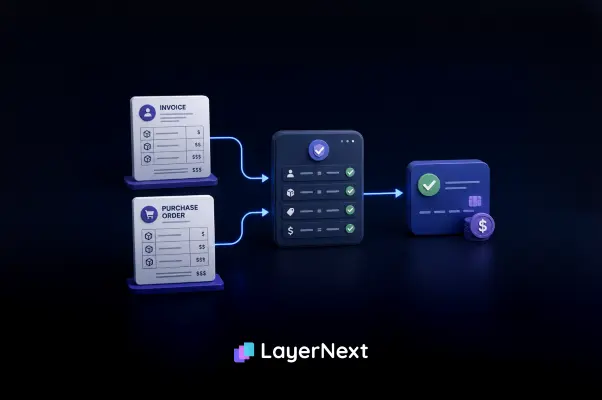
Learn what is 2 way match in accounts payable, how it works, and when to use it vs 3‑way matching. Designed for enterprise CFOs focused on risk, control, and audits.
AP automation software built for manufacturing and distribution. Compare top tools on ERP compatibility, three-way matching, and ROI for high-volume AP teams.
Compare the top 10 invoice reconciliation software tools for 2026, covering enterprise, mid-market, and small business options, with pricing, features, and fit.
A good accounts payable turnover ratio isn't one-size-fits-all. See industry benchmarks, formula breakdowns, and CFO-level guidance on what your ratio means.
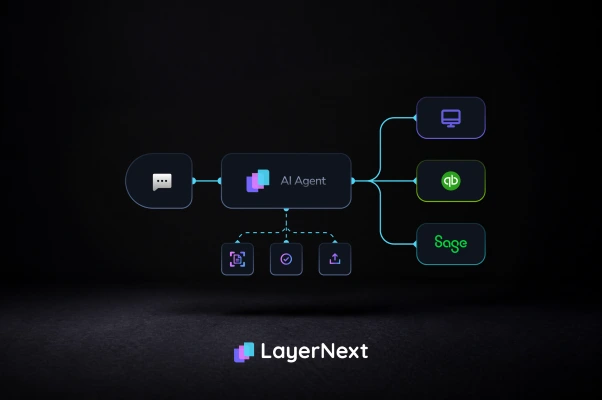
Most AP tools capture invoice data. LayerNext agents complete the workflow: validate, match, post to your ERP, reconcile. No API required. Your team approves every step.
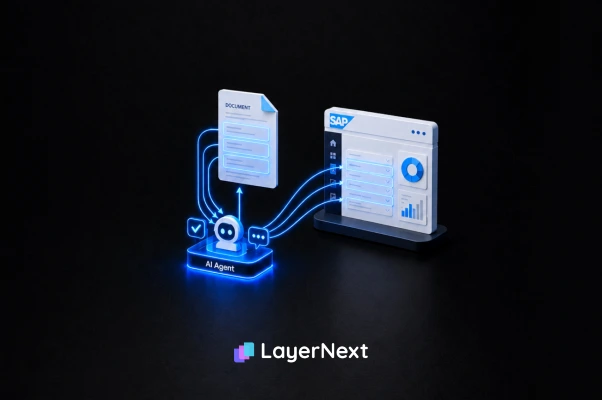
SAP automation tools fall into three categories: native SAP, third-party RPA, and AI agents. Here is what each costs, where each fails, and which fits 2026.
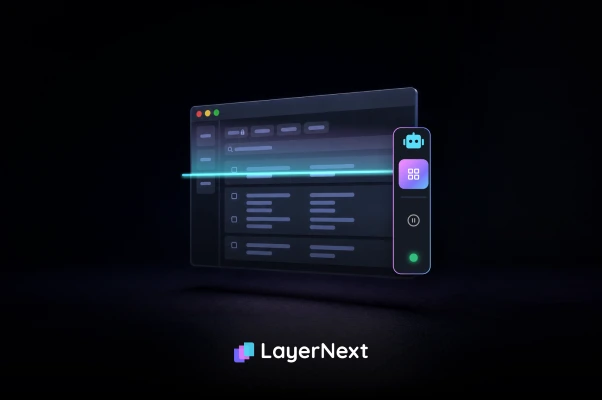
Most AP automation stops at invoice capture. LayerNext completes the workflow inside legacy and desktop ERPs, with human approval at every step.
Compare the 6 best AP automation software for 2026. See how LayerNext, Tipalti, Bill, Stampli, Ramp, and Vic.ai stack up on legacy ERPs.
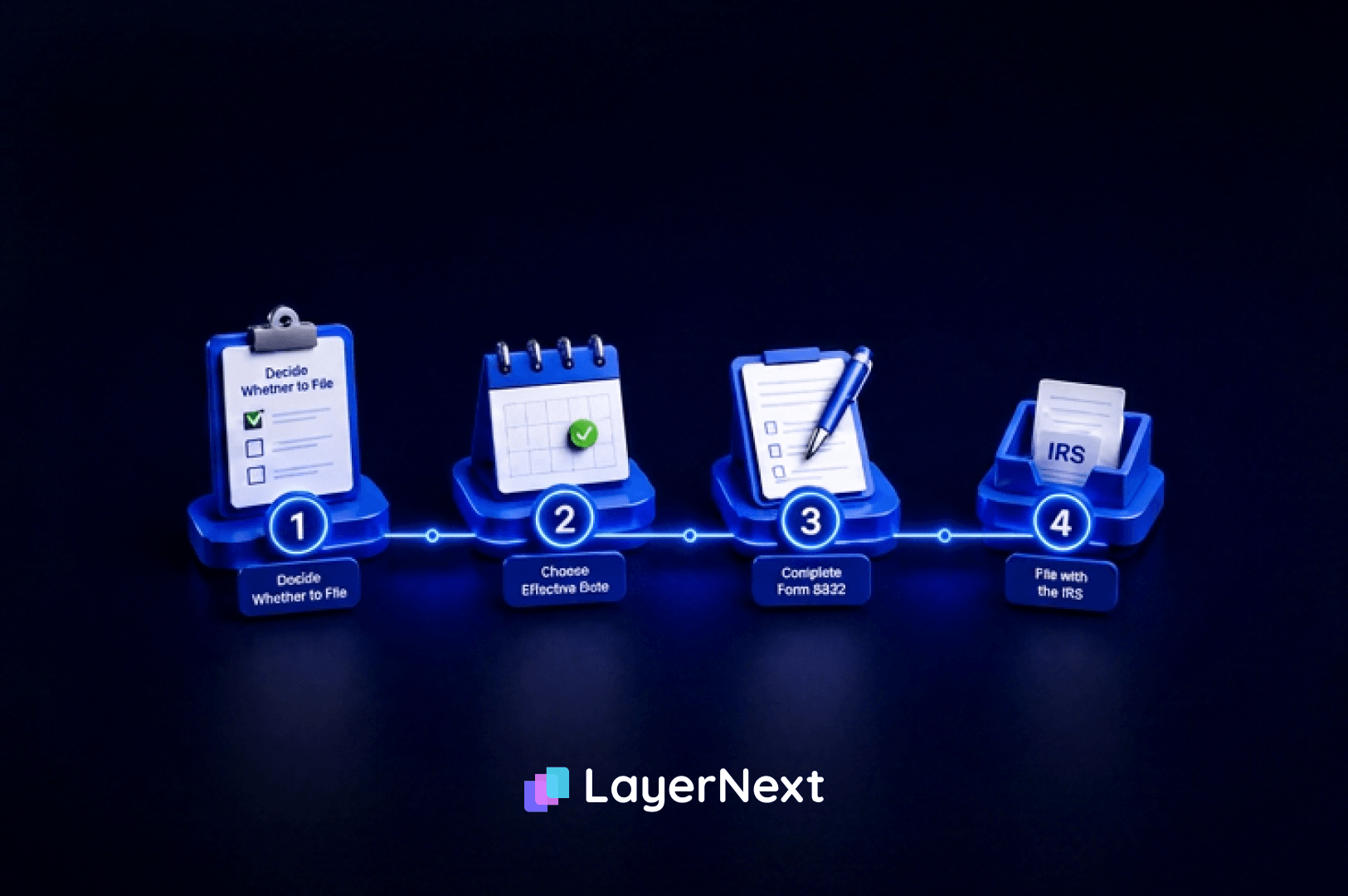
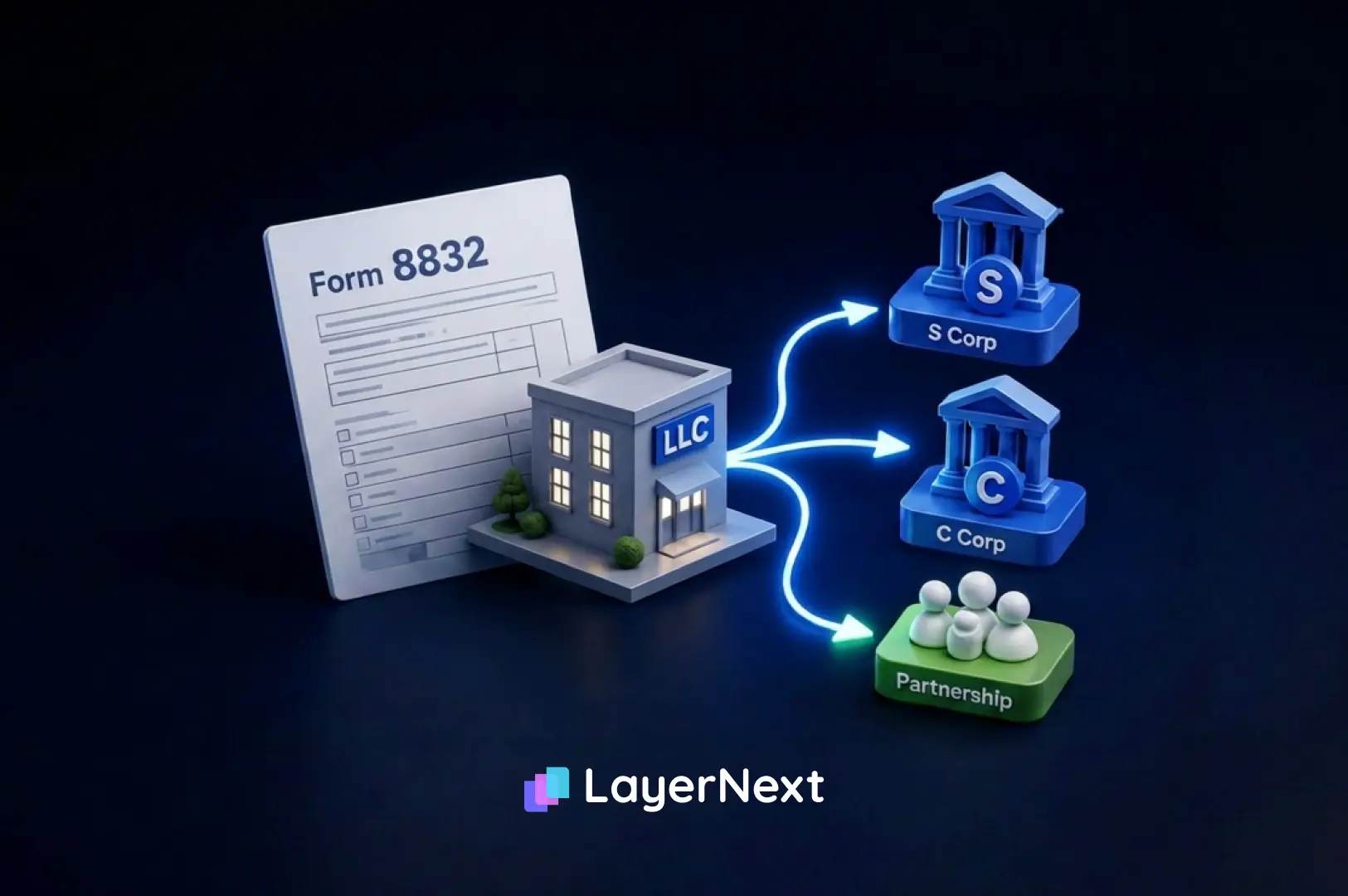
Learn when and why LLC owners should file Form 8832, how it affects taxes, and a step-by-step guide to the Entity Classification Election.
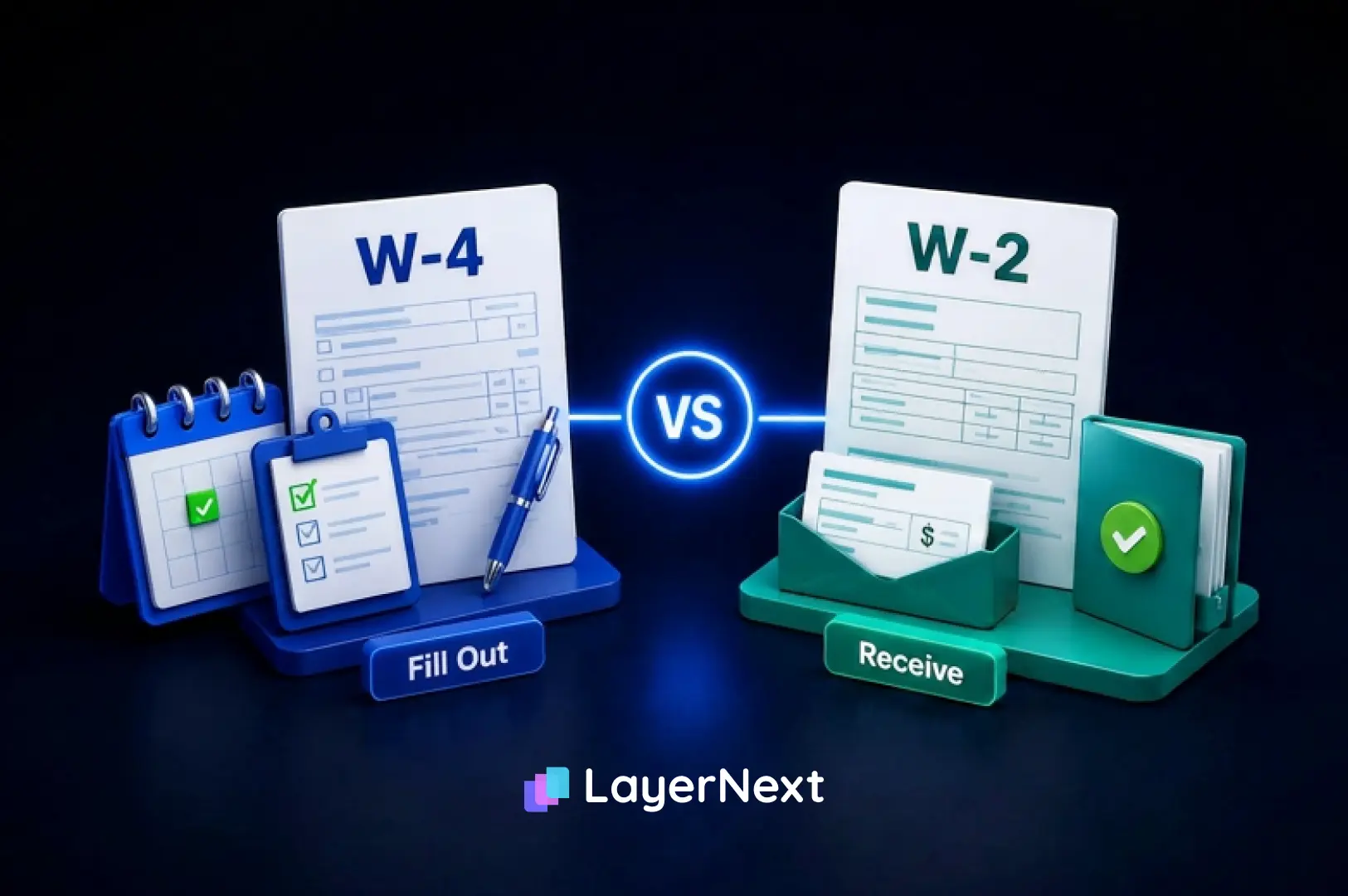
W-2 vs. W-4: What’s the difference? Learn when to fill out a W-4, how to read your W-2, and key deadlines for employees and employers in our comprehensive guide.
Master IRS Form 8832: The Entity Classification Election. Learn how LLCs can override default tax statuses, meet IRS deadlines, and avoid the 60-month lock-in rule.
Manual bookkeeping costs small businesses 15 hours a month. An AI CFO automates it in real time, starting at $79/month. No bookkeeper required.



.webp)